はじめに
このプロジェクトでは、携帯電話番号の認証コードを使ってアカウント認証機能を実装する方法を学びます。この機能は、現在多くのプラットフォームで一般的に使われており、ユーザーがログインする際の追加のセキュリティと利便性を提供します。
👀 プレビュー
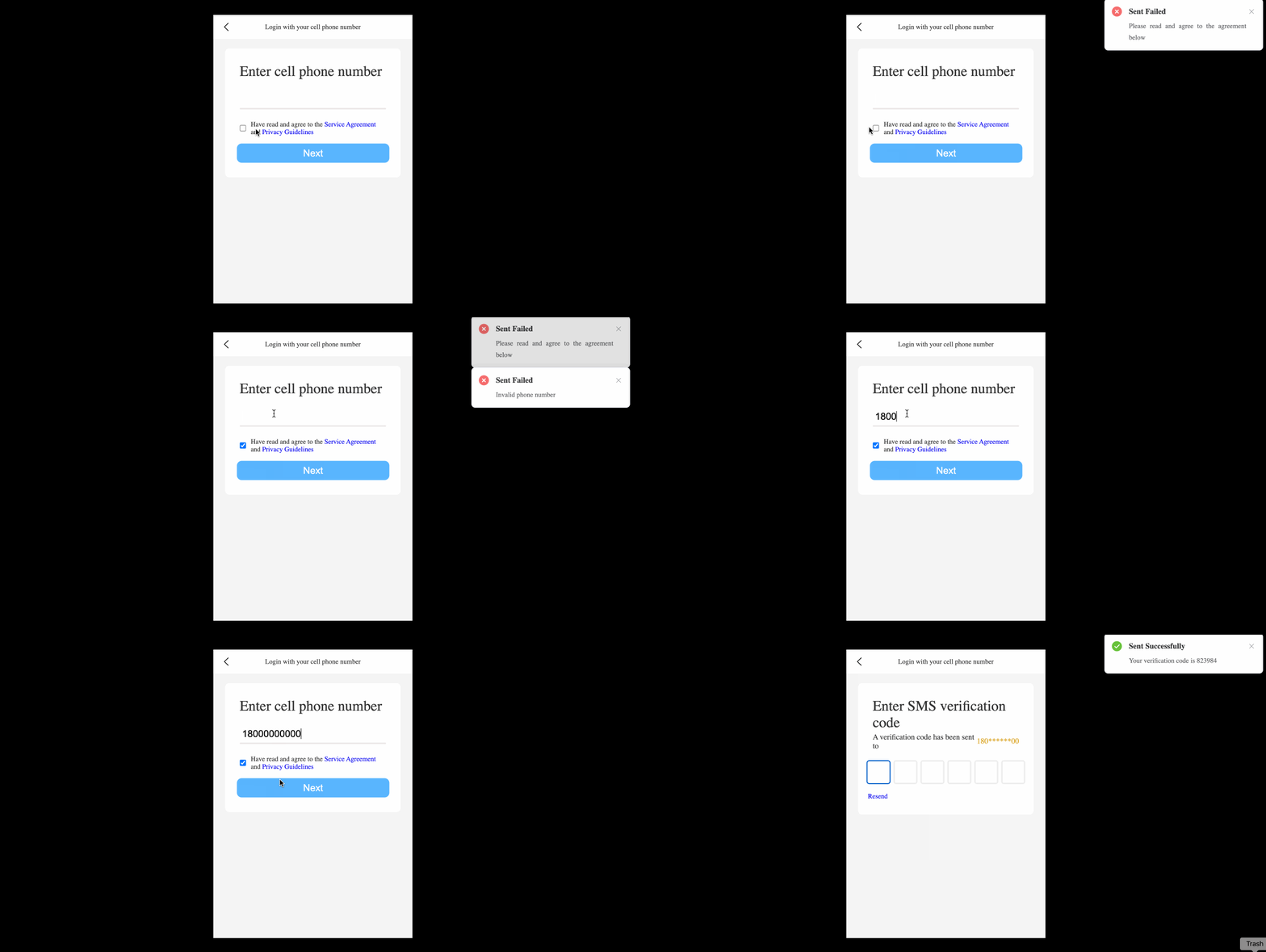
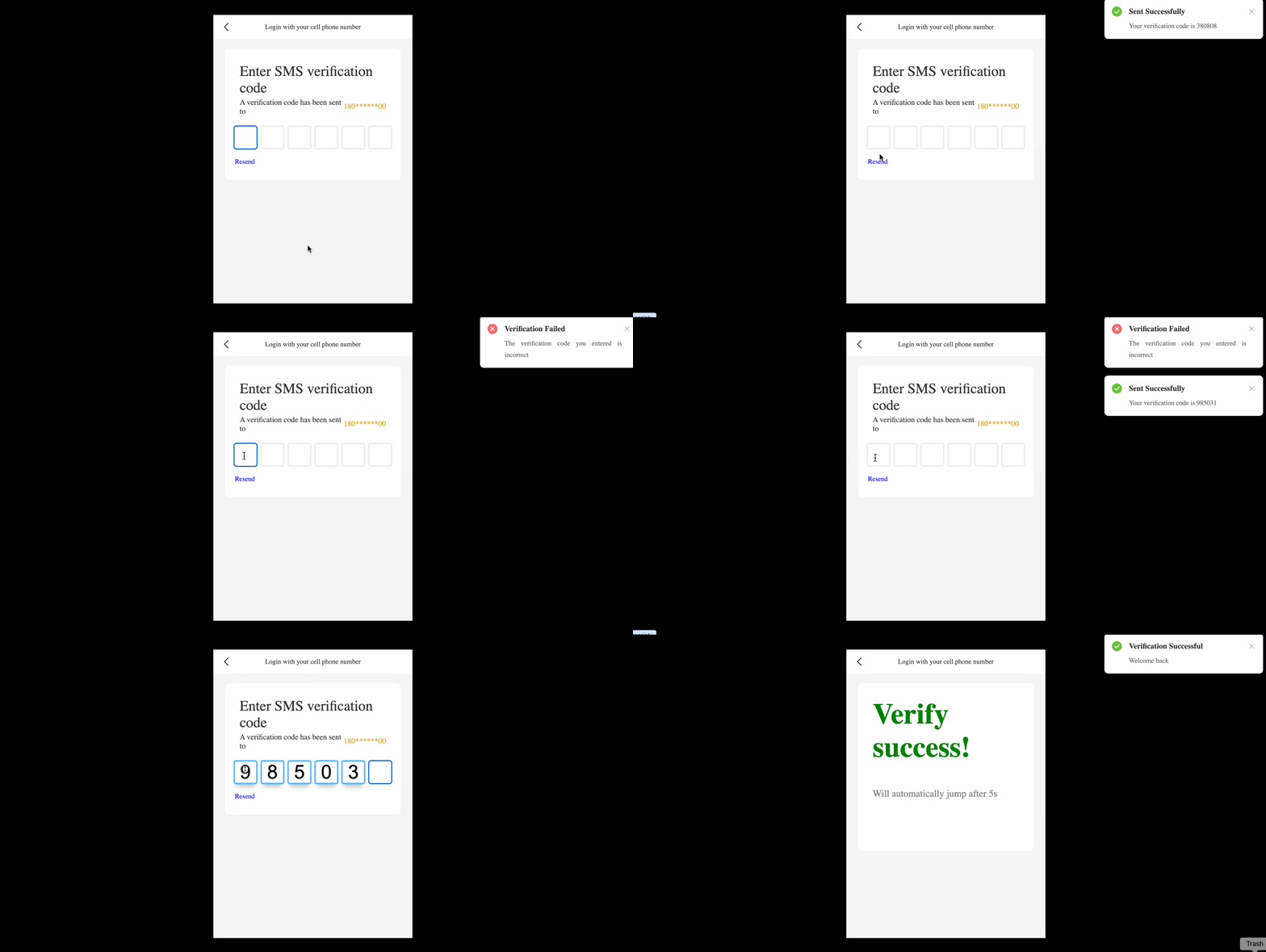
🎯 タスク
このプロジェクトでは、以下を学びます。
- 認証コードを送信する機能を実装する方法
- 入力された認証コードを検証する機能を実装する方法
- Element Plus における
Notificationコンポーネントの使い方を理解する方法
🏆 成果
このプロジェクトを完了すると、以下のことができるようになります。
- ユーザー入力と検証を処理する
- 動的な認証コードを生成して管理する
Notificationコンポーネントを使って成功とエラーメッセージを表示する- Vue.js と Pinia を使ってコンポーネントの切り替えと状態管理を実装する
プロジェクト構造を設定する
このステップでは、プロジェクト構造を設定する方法を学びます。以下の手順に従ってこのステップを完了しましょう。
このプロジェクトのプロジェクトフォルダを開きます。ディレクトリ構造は以下の通りです。
├── css
│   ├── element-plus@2.3.7
│   │   ├── index.css
│   │   └── index.full.js
│   └── index.css
├── images
│   └── arrow.png
├── index.html
└── js
    ├── index.mjs
    ├── pinia.esm-browser.js
    ├── vue3.global.js
    └── vue.esm-browser.prod.js
その中で:
cssは、ページの参照スタイルを格納するフォルダです。imagesは、ページの参照画像を格納するフォルダです。jsは、ページの参照 JavaScript ファイルを格納するフォルダです。index.htmlは、完成させる必要のあるファイルです。
WebIDE の右下隅にあるGo Liveボタンをクリックして、プロジェクトを実行します。
次に、VM の上部にある「Web 8080」を開き、手動で更新するとページが表示されます。
変数と関数を提供する
このステップでは、後続のステップで必要な変数と関数を取得します。
- 提供されたプロジェクト内の
index.htmlファイルを開きます。 const { createApp, reactive, toRefs } = Vue;を探して、後続の使用のために以下のコードのように追加します。
const { createApp, reactive, toRefs, provide, inject, ref, watch } = Vue;
const { createApp, reactive, toRefs, provide, inject, ref, watch } = Vue; 3. 最初の// TODOを探して、以下のコードを追加します。
const app = createApp({
  setup() {
    let data = reactive({
      showName: "phone"
    });
    // TODO
    const code = ref([]);
    const phoneVal = ref("");
    const createCode = function () {
      let res = "";
      function* _create() {
        let count = 0;
        while (++count <= 6) {
          yield Math.floor(Math.random() * 10);
        }
      }
      for (const iterator of _create()) {
        res += iterator;
      }
      return res;
    };
    const handlePhone = (num) => {
      let res = "";
      for (let idx in num) {
        if (idx > 2 && idx < num.length - 2) {
          res += "*";
        } else {
          res += num[idx];
        }
      }
      return res;
    };
    provide("code", code);
    provide("phoneVal", phoneVal);
    provide("createCode", createCode);
    provide("data", data);
    provide("handlePhone", handlePhone);
    return {
      ...toRefs(data)
    };
  }
});
上記のコードでは、createCode()関数は 6 桁のキャプチャコードを作成し、handlePhone()関数は電話番号を単純に暗号化します。
認証コードを送信する機能を実装する
このステップでは、認証コードを送信する機能を実装する方法を学びます。以下の手順に従ってこのステップを完了しましょう。
- 提供されたプロジェクト内の
index.htmlファイルを開きます。 <template id="phone">セクションにバインドイベントを追加します。
<!-- phone -->
<template id="phone">
  <div>
    <ul class="phone">
      <span>Enter cell phone number</span>
      <li>
        <input type="text" v-model="phoneVal" autofocus id="numberInput" />
      </li>
      <li>
        <input type="checkbox" v-model="isSure" name="" id="checkbox" />
        <span
          >Have read and agree to the
          <a href="javascript:;">Service Agreement</a>
          and
          <a href="javascript:;">Privacy Guidelines</a>
        </span>
      </li>
      <button id="btn" @click="nextStep">Next</button>
    </ul>
  </div>
</template>
<!-- phone -->
phoneコンポーネントのsetup()関数で、必要な変数と関数をインジェクトします。
app.component("phone", {
  template: "#phone",
  setup() {
    // TODO
    let isSure = ref("");
    let phoneVal = inject("phoneVal");
    let code = inject("code");
    let createCode = inject("createCode");
    let data = inject("data");
    return {};
  }
});
- 電話番号の妥当性をチェックする
verifyPhone()関数を実装します。
function verifyPhone(num) {
  if (num.length != 11) return false;
  return num[0] == 1 && num[1] == 8;
}
nextボタンのクリックを処理するnextStep()関数を実装します。phoneコンポーネントのすべてのコードは以下の通りです。
app.component("phone", {
  template: "#phone",
  setup() {
    // TODO
    let isSure = ref("");
    let phoneVal = inject("phoneVal");
    let code = inject("code");
    let createCode = inject("createCode");
    let data = inject("data");

    function verifyPhone(num) {
      if (num.length != 11) return false;
      return num[0] == 1 && num[1] == 8;
    }

    return {
      isSure,
      phoneVal,
      nextStep() {
        if (!isSure.value)
          return ElNotification({
            title: "Sent Failed",
            message: "Please read and agree to the agreement below",
            type: "error"
          });
        if (!verifyPhone(phoneVal.value))
          return ElNotification({
            title: "Sent Failed",
            message: "Invalid phone number",
            type: "error"
          });
        code.value = createCode();
        ElNotification({
          title: "Sent Successfully",
          message: "Your verification code is " + code.value,
          type: "success"
        });
        data.showName = "check";
      }
    };
  }
});
この関数では、まずユーザーが条件に同意しているかどうかを確認します。同意していない場合は、エラー通知を表示します。次に、verifyPhone()関数を使って電話番号の妥当性を確認します。電話番号が無効な場合は、エラー通知を表示します。両方の条件が満たされている場合は、createCode()関数を使ってランダムな 6 桁の認証コードを生成し、成功通知を表示し、コンポーネントをcheckコンポーネントに切り替えます。
入力された認証コードを検証する機能を実装する
このステップでは、入力された認証コードを検証する機能を実装する方法を学びます。以下の手順に従ってこのステップを完了しましょう。
- 提供されたプロジェクト内の
index.htmlファイルを開きます。 <template id="check">セクションにバインドイベントを追加します。
<!-- check -->
<template id="check">
  <ul class="number">
    <span>Enter SMS verification code</span>
    <li class="hassend">
      A verification code has been sent to
      <i>{{handlePhoneVal}}</i>
    </li>
    <li class="code-container">
      <input type="number" class="code" min="0" max="9" required />
      <input type="number" class="code" min="0" max="9" required />
      <input type="number" class="code" min="0" max="9" required />
      <input type="number" class="code" min="0" max="9" required />
      <input type="number" class="code" min="0" max="9" required />
      <input type="number" class="code" min="0" max="9" required />
    </li>
    <a href="javascript:;" id="resend" @click="resentCode">Resend</a>
  </ul>
</template>
<!-- check -->
checkコンポーネントに必要な変数と関数を追加します。
app.component("check", {
  template: "#check",
  setup() {
    // TODO
    let phoneVal = inject("phoneVal"),
      handlePhoneVal = inject("handlePhone")(phoneVal.value),
      data = inject("data"),
      code = inject("code"),
      createCode = inject("createCode"),
      rVal = "";

    return {};
  }
});
- 認証コードの入力を処理するロジックを実装します。
setTimeout(() => {
  let oCodeIptList = [...document.getElementsByClassName("code")];

  oCodeIptList[0].focus();

  oCodeIptList.map((item) => {
    item.oninput = function () {
      if (item.value) {
        item?.nextElementSibling && item?.nextElementSibling.focus();
      } else {
        item?.previousElementSibling && item?.previousElementSibling.focus();
      }
      rVal = (oCodeIptList.map((item) => item.value) + "").replaceAll(",", "");
      trackVal(rVal);
    };
  });
  function trackVal(val) {
    if (val.length >= 6) {
      if (val == code.value) {
        ElNotification({
          title: "Verification Successful",
          message: "Welcome back",
          type: "success"
        });
        data.showName = "success";
      } else {
        ElNotification({
          title: "Verification Failed",
          message: "The verification code you entered is incorrect",
          type: "error"
        });
        [...document.getElementsByClassName("code")].map(
          (item) => (item.value = "")
        );
        [...document.getElementsByClassName("code")][0].focus();
      }
    }
  }
});
このコードでは、まず認証コードの最初の入力フィールドにフォーカスを当てます。次に、各入力フィールドにoninputイベントハンドラを追加します。ユーザーが値を入力すると、カーソルが自動的に次の入力フィールドにジャンプします。ユーザーが値を削除すると、カーソルが自動的に前の入力フィールドにジャンプします。
また、入力された認証コードを検証するtrackVal()関数も実装しています。入力が 6 桁で生成された認証コードと一致する場合、成功通知を表示してコンポーネントをsuccessコンポーネントに切り替えます。入力が間違っている場合、入力フィールドをクリアしてエラー通知を表示します。
- 認証コードを再送信する
resentCode()関数を実装します。checkコンポーネントのすべてのコードは以下の通りです。
app.component("check", {
  template: "#check",
  setup() {
    // TODO
    let phoneVal = inject("phoneVal"),
      handlePhoneVal = inject("handlePhone")(phoneVal.value),
      data = inject("data"),
      code = inject("code"),
      createCode = inject("createCode"),
      rVal = "";
    setTimeout(() => {
      let oCodeIptList = [...document.getElementsByClassName("code")];

      oCodeIptList[0].focus();

      oCodeIptList.map((item) => {
        item.oninput = function () {
          if (item.value) {
            item?.nextElementSibling && item?.nextElementSibling.focus();
          } else {
            item?.previousElementSibling &&
              item?.previousElementSibling.focus();
          }
          rVal = (oCodeIptList.map((item) => item.value) + "").replaceAll(
            ",",
            ""
          );
          trackVal(rVal);
        };
      });
      function trackVal(val) {
        if (val.length >= 6) {
          if (val == code.value) {
            ElNotification({
              title: "Verification Successful",
              message: "Welcome back",
              type: "success"
            });
            data.showName = "success";
          } else {
            ElNotification({
              title: "Verification Failed",
              message: "The verification code you entered is incorrect",
              type: "error"
            });
            [...document.getElementsByClassName("code")].map(
              (item) => (item.value = "")
            );
            [...document.getElementsByClassName("code")][0].focus();
          }
        }
      }
    });

    return {
      handlePhoneVal,
      resentCode() {
        code.value = createCode();
        ElNotification({
          title: "Sent Successfully",
          message: "Your verification code is " + code.value,
          type: "success"
        });
      }
    };
  }
});
この関数は新しい認証コードを生成し、成功通知を表示します。
以上です!これで携帯電話番号の認証コードを使ったアカウント認証機能の実装が完了しました。
最終的な結果は以下の通りです。
まとめ
おめでとうございます!このプロジェクトを完了しました。実力を向上させるために、LabEx でさらに多くの実験を行って練習してください。